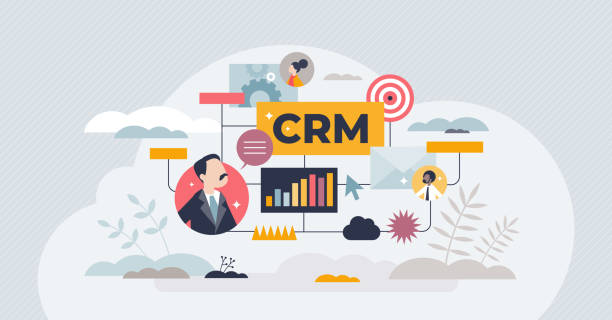
The Ultimate Guide to CRM Software Analysis: Optimizing Your Customer Relationship Management
In today’s rapidly evolving business landscape, Customer Relationship Management (CRM) systems have become indispensable tools for companies striving to maintain a competitive edge. To harness the full potential of CRM, it’s essential to delve deep into CRM software analysis. This guide explores how to effectively analyze CRM software, understand its impact, and leverage insights to optimize your CRM strategy.
Understanding CRM Software
CRM software is designed to manage a company’s interactions with current and potential customers. It helps businesses streamline processes, enhance customer service, and drive sales growth. However, with a plethora of CRM options available in the market, selecting the right one can be a daunting task. This is where CRM software analysis comes into play.
CRM Software Analysis involves evaluating various aspects of CRM systems to ensure they meet the specific needs of a business. This process includes assessing features, usability, integration capabilities, and overall performance. By conducting a thorough analysis, businesses can make informed decisions about which CRM software best suits their requirements.
Key Components of CRM Software Analysis
- Feature Assessment
The first step in CRM software analysis is to evaluate the features offered by different CRM solutions. Look for key functionalities such as contact management, sales automation, marketing tools, and customer support. Ensure that the CRM software aligns with your business objectives and provides the necessary tools to enhance productivity.
- User Experience and Usability
A CRM system’s ease of use is crucial for its successful implementation. Analyzing user experience involves assessing the software’s interface, navigation, and overall user-friendliness. A system that is intuitive and easy to use will reduce the learning curve for employees and improve overall adoption rates.
- Integration Capabilities
In today’s interconnected world, CRM software must integrate seamlessly with other business systems. Whether it’s email marketing platforms, accounting software, or customer support tools, integration capabilities are essential for a unified approach to customer management. Evaluate how well the CRM software integrates with your existing tools and systems.
- Scalability and Customization
As your business grows, your CRM needs may evolve. Choose a CRM system that offers scalability and customization options. This will ensure that the software can adapt to your changing requirements and continue to support your business objectives over time.
- Data Security and Compliance
Data security is a top priority when it comes to CRM software. Ensure that the CRM system adheres to industry standards for data protection and complies with relevant regulations. Look for features such as data encryption, user access controls, and regular security updates.
- Customer Support and Training
A reliable CRM provider should offer comprehensive customer support and training resources. Evaluate the support options available, including live chat, phone support, and online resources. Additionally, consider the availability of training materials to help your team get up to speed with the new system.
- Cost and ROI
Cost is a significant factor in CRM software analysis. Compare the pricing structures of different CRM solutions and evaluate the overall return on investment (ROI). Consider factors such as subscription fees, implementation costs, and potential cost savings through improved efficiency and productivity.
- User Reviews and Feedback
Researching user reviews and feedback can provide valuable insights into the real-world performance of CRM software. Look for reviews from businesses similar to yours and consider their experiences with the software. Positive reviews and testimonials can be a good indicator of a CRM system’s reliability and effectiveness.
- Trial and Demo
Before making a final decision, take advantage of trial versions and demos offered by CRM providers. Testing the software firsthand will give you a better understanding of its features, usability, and overall fit for your business. Use this opportunity to evaluate how well the CRM system meets your needs.
- Vendor Reputation and Experience
Consider the reputation and experience of the CRM software vendor. Established vendors with a track record of delivering high-quality solutions are more likely to provide reliable software and excellent customer support. Research the vendor’s history, customer base, and industry recognition.
Benefits of Effective CRM Software Analysis
Conducting a thorough CRM software analysis offers several benefits for your business:
- Informed Decision-Making: By evaluating various CRM options, you can make informed decisions about which software best aligns with your business needs and goals.
- Enhanced Productivity: Choosing the right CRM system will streamline processes, automate repetitive tasks, and improve overall efficiency, leading to increased productivity.
- Improved Customer Relationships: A well-chosen CRM system will enable you to better manage customer interactions, track engagement, and deliver personalized experiences, ultimately strengthening customer relationships.
- Cost Savings: Effective CRM software analysis helps identify cost-effective solutions that offer a good return on investment. This can lead to significant cost savings and better resource allocation.
- Future Growth: Selecting a scalable CRM system ensures that your software can grow with your business, accommodating new features and expanding requirements as needed.
Implementing Your CRM Strategy
Once you have selected the ideal CRM software, the next step is to implement your CRM strategy. This involves configuring the software, integrating it with other systems, and training your team to use it effectively.
Configuration involves setting up the CRM system to match your business processes and requirements. This may include customizing fields, creating workflows, and setting up user roles and permissions.
Integration ensures that your CRM software works seamlessly with other business tools and systems. This may involve connecting it with email marketing platforms, accounting software, and customer support systems.
Training is essential to ensure that your team can use the CRM system effectively. Provide comprehensive training sessions, create user guides, and offer ongoing support to help employees adapt to the new system.
Measuring Success and Continuous Improvement
After implementing your CRM strategy, it’s important to measure the success of your CRM system and continuously seek opportunities for improvement. Monitor key performance indicators (KPIs) such as customer satisfaction, sales performance, and system usage to evaluate the impact of your CRM software.
Feedback: Regularly gather feedback from users to identify any issues or areas for improvement. Address any concerns and make necessary adjustments to enhance the user experience.
Updates: Keep the CRM software up to date with the latest features and security patches. Regular updates ensure that your system remains current and continues to meet your evolving needs.
Optimization: Continuously review and optimize your CRM strategy based on performance data and feedback. Look for ways to streamline processes, enhance automation, and improve overall efficiency.
Conclusion
CRM software analysis is a critical process for businesses seeking to optimize their customer relationship management strategies. By evaluating features, usability, integration capabilities, and other key components, you can select the right CRM system to meet your specific needs and drive business success.
Implementing the right CRM software can lead to increased productivity, improved customer relationships, and significant cost savings. However, it’s essential to continually measure success, gather feedback, and seek opportunities for improvement to ensure that your CRM system remains effective and aligned with your business goals.
As you embark on your CRM journey, remember that a well-chosen CRM system is more than just a tool—it’s a strategic asset that can transform the way you manage customer relationships and drive growth.
Embrace the power of CRM software analysis, and take the first step towards optimizing your CRM strategy today.
Noticias relacionadas
 The businessman chooses MLM, multi-level marketing on the touch screen, the backdrop of the Christmas tree and decorations. Special toning
 CRM Customer Relationship Management for business sales marketing system concept presented in futuristic graphic interface of service application to support CRM database analysis.